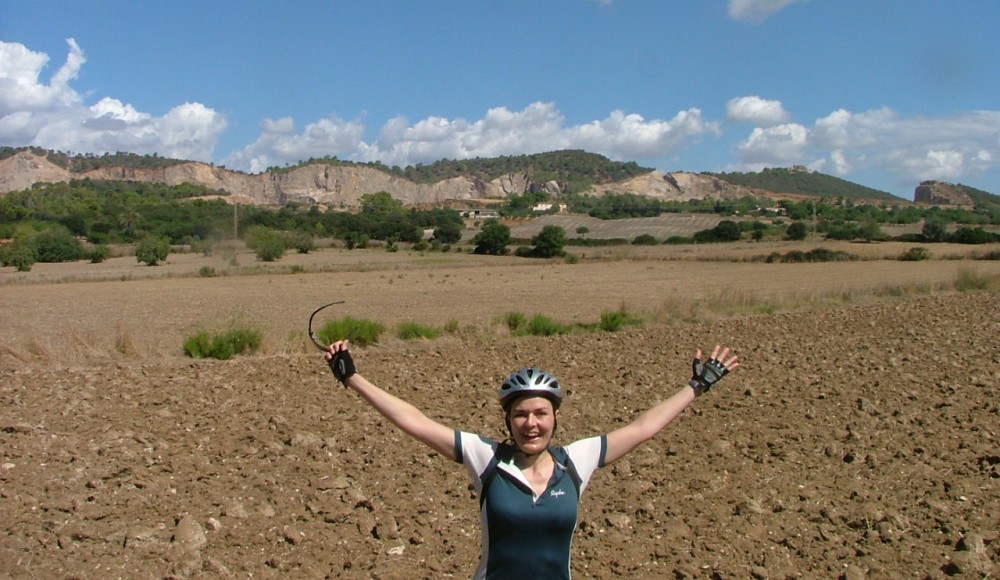
Having spent a few days in Ghent after the 2014 Tour of Flanders, the next leg of our Spring Classics odyssey was to cycle to Oudenaarde on our way to Lille to take in Paris – Roubaix the following weekend. So that Thursday morning, we followed the Scheldt river south for 30km of peaceful, scenic and incredibly enjoyable cycling.

Traffic-free cycling along the scenic Sheldt
This relatively short and glorious route is a must for keen cyclists, leading as it does from the cycling haven of Ghent to Oudenaarde, an otherwise inauspicious little place that happens to host the finish of the biggest bike race in Belgium and the Tour of Flanders Museum (Centrum Ronde Van Vlaanderen) that celebrates the same. To find the start of the route in Ghent, you need to head to the north side of Citadelpark (to the south of the historic centre and home to ‘t Kuipke velodrome), take Citadellan a short distance east then turn right on to Stropkaai, a canalside road that quickly becomes a traffic-free path alongside the Scheldt.
You might find yourself in good company. At 9am every day the “Scheldepeleton” gathers under the Adolphe della Faillelaan Bridge just outside Ghent (it says “Zwijinaardekasteelbrug” on the bridge’s span as viewed from the river). In this pack of as many as 100 riders, weekend warriors rub shoulders with WorldTour pros (plenty of whom live in the area, including Thomas de Gendt) to charge down to Oudenaarde and back. We were neither brave enough nor up early enough to join them, but still saw a couple of Pro-Conti riders being motor-paced up the broad, smooth tarmacked road, not to mention some speedy packs of amateurs. Most of the time however it was just the two of us, enjoying what was the probably the prettiest stretch of our entire journey.

Most of the time you’ll have the route to yourself
When we left England it was still winter, but over the course of the week we saw Belgium blossom into spring. Our timing meant we also had the joy of sharing the waterside paths with newly hatched ducklings!
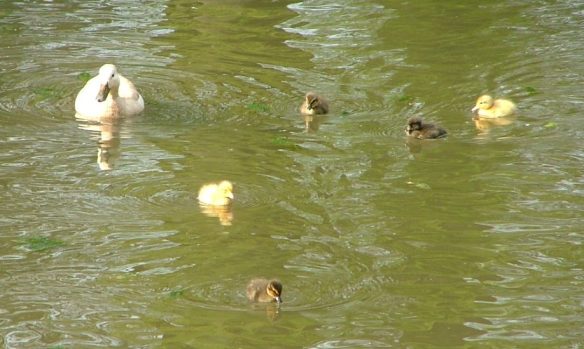
Cycle the route in early April to see ducklings as you go
It’s an all-too-short ride to Oudenaarde along this lovely stretch, but you could break it up with a drink at De Meersbloem café on the riverbank, outside which is the memorial to Wouter Weylandt, a professional local rider who sadly died on a descent in the 2011 Giro d’Italia.

RIP Wouter Weylandt
Oudenaarde
We arrived in Oudenaarde on the Thursday after the Tour of Flanders, which had a slightly hungover air; all the banners and hoardings were still up but the large town square was no longer clogged with team buses and there was plenty of space at the numerous pavement cafes around the edge, where we enjoyed an evening drink in the low afternoon sun listening the tinkling of St Walburgakerk’s 49-bell carillon, which we hadn’t even noticed on race day.


Oudenaarde is a pretty and pleasant pace to visit when the Ronde isn’t in town; the ornate town hall and imposing church are more visible and impressive, there are some decent restaurants and bars and pretty back streets and parks to stroll around. Even so, maybe it was just the time of year but the world of professional cycle racing was never far away. When we stowed our bikes in the storage area of the Pomme d’Or hotel where we were staying, we did so next to a gleaming carbon BMC road bike that clearly belonged to a professional. In a quiet student-y bar down an alley off the square we heard some American bike team support staff talking loudly and indiscreetly about the riders in their care.
What really makes Oudenaarde and bike racing inseparable however is the presence of the Tour of Flanders museum just off the main square.
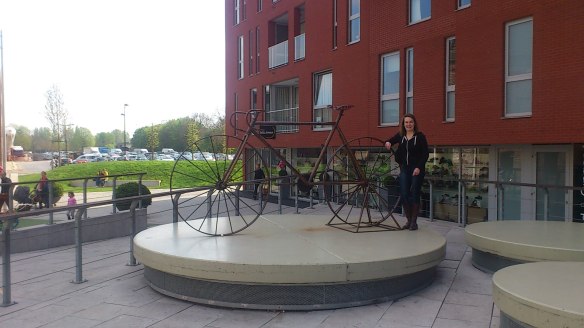
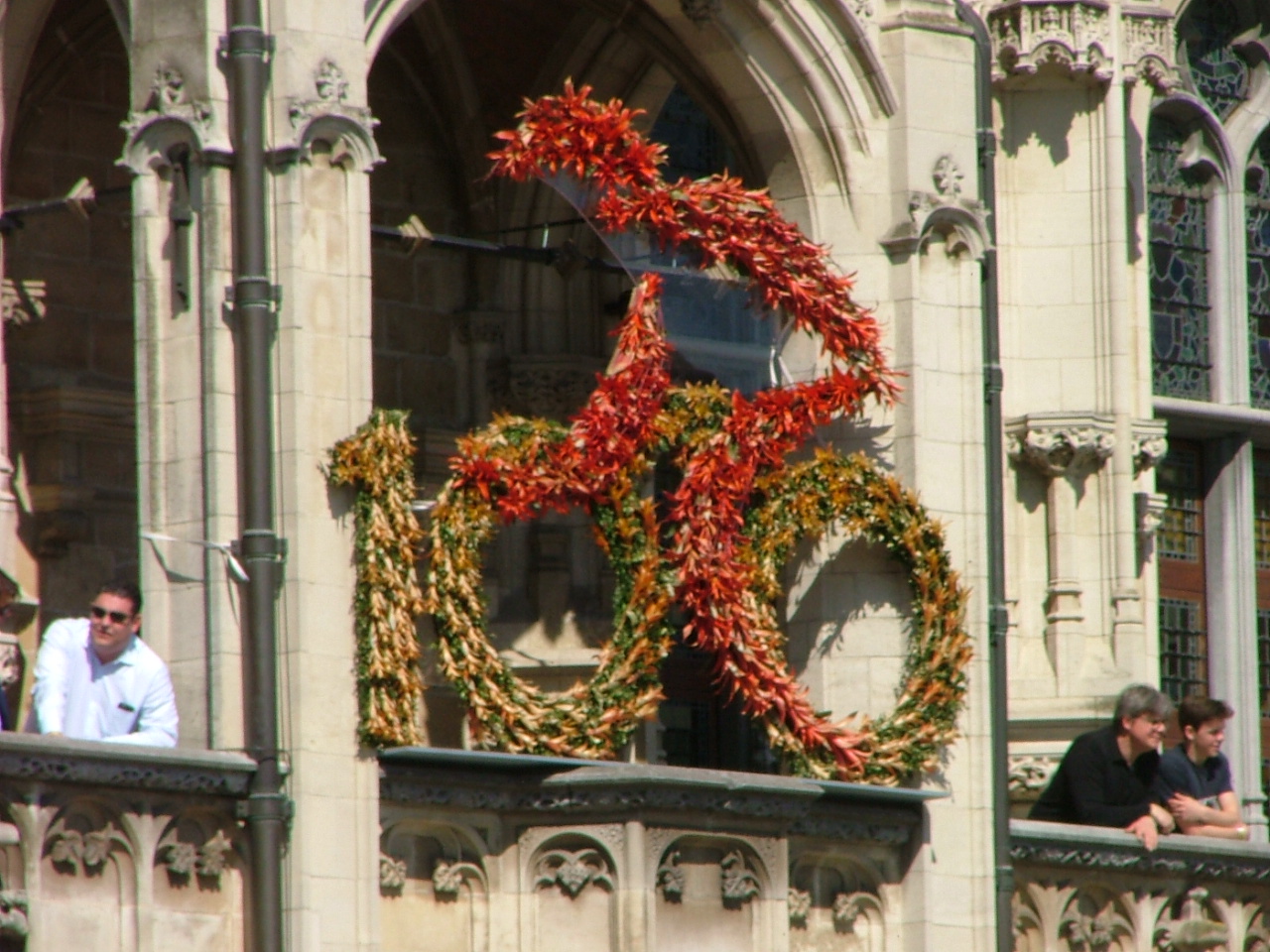
Cycling is literally huge in Oudenaarde
The Tour of Flanders museum
What a treat. How I’d managed to visit Belgium three times previously and not visit this marvellous establishment escapes me but it was totally worth the wait. The entrance hall alone is worth a peek, with each winner’s name displayed on its own cobblestone, an excellent gift shop and the possibility of glimpsing Freddy Maertens, former world champion and rival to Eddy Merckx who now works at the museum. And don’t forget to visit the attached bar and restaurant for a dish of spaghetti Bonnenaise washed down with the obligatory delicious beer.
Inside there was memorabilia everywhere, from Eddy Merckx’s bike and Johan Museeuw’s Mapei jersey to a bust of Tommy Simpson and an old-school Flandria team car.


There were great exhibits about the race and the lives of racers past and present. The physiology of Tom Boonen was presented alongside tales of Stan Ockers sourcing meat on the black market to meet his dietary needs and Briek Schotte presented as the ultimate Flandrian.
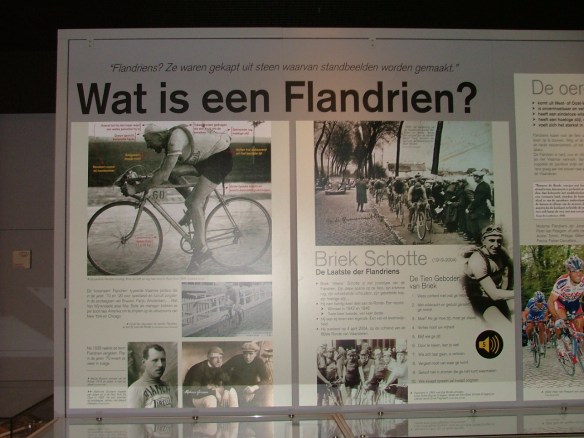
What is a Flandrian?
There was a audioguide in English and a whole room dedicated to Fabian Cancellara, who had won that year’s race and earned himself a third cobblestone with his name on it in the museum’s window. This room had everything – not just jerseys, bikes and trophies but rarer memorabilia such as the tiny angel charm his daughter had given him to carry in his jersey on the day he won the Tour of Flanders for the first time in 2010, early racing licenses and photos of him standing on the winner’s rostrum at an early age, when he resembled a young Scott Baio.


The museum has since been renovated in honour of the 100th edition of the Tour of Flanders – which sounds like a good excuse to go back and visit soon. Back then however we were preparing to take on the final leg of our journey to see the Queen of Classics – Paris-Roubaix.






 Bex on Wheels